
The evolution of gambling A historical journey through time
Origins of Gambling: Ancient Civilizations
The origins of gambling can be traced back to ancient civilizations, where various games of chance were prevalent. Archaeological evidence suggests that as early as 3000 BC, the Chinese were engaging in activities that can be categorized as gambling, utilizing dice made from animal bones and rudimentary betting systems. Similarly, ancient Egyptians also participated in gambling through board games and betting on the outcomes of athletic competitions, indicating that the desire to wager on uncertain outcomes has been a part of human culture for millennia. Today, platforms like https://methspinau.com continue this rich tradition of gambling by offering various games.

In Mesopotamia, around 4000 BC, the use of six-sided dice made from clay has been documented, further solidifying the role of gambling in ancient societies. These early forms of gambling were not merely recreational; they often had social and religious significance, serving as a means for individuals to seek favor from deities or predict future events. This intertwining of chance and belief laid the groundwork for the evolution of gambling practices in later cultures.
As societies developed, so did their gambling customs. The Romans, known for their love of games, created betting systems around gladiatorial contests and chariot races, bringing gambling into public arenas. These activities showcased not only individual skill but also the thrill of risk, reflecting an essential human characteristic: the desire to test fate. This rich historical backdrop highlights how gambling has evolved alongside human civilization, adapting and transforming with societal changes.
The Middle Ages: Regulation and Control
The Middle Ages marked a significant turning point for gambling, as various regions began to impose regulations on betting activities. The rise of feudal societies saw the establishment of rules governing games of chance, primarily due to concerns over morality and the potential for exploitation. In many European countries, monarchs instituted laws to control gambling practices, aiming to curb the excesses associated with high-stakes games that often led to disputes and violence.
During this period, gambling took on a more structured form with the establishment of gaming houses and organized gaming events. The introduction of cards in the 14th century revolutionized the gambling landscape, leading to the creation of numerous card games that remain popular today. These developments also underscored the social dynamics of gambling; it became a communal activity, fostering relationships among players while simultaneously attracting the attention of regulators keen on controlling its influence.
Additionally, the Church played a critical role in shaping perceptions of gambling during the Middle Ages. Many clergy condemned gambling as sinful, aligning with broader societal views that saw excessive wagering as a vice. This tension between gambling and morality led to fluctuating acceptance levels across Europe, creating an environment where gambling persisted despite regulatory efforts. The combination of regulation and societal attitudes during this era laid the foundation for modern gambling laws and practices.
The Birth of Modern Gambling: The 17th to 19th Century
The 17th century heralded the birth of modern gambling as we know it today, with the establishment of official gambling houses in Europe. The first official state lottery was created in France in 1539, paving the way for organized betting and state involvement in gambling. By the 17th and 18th centuries, lotteries and betting shops began appearing across Europe, transforming gambling into an accessible and socially accepted pastime for a broader audience.
The development of casinos in the 18th century marked another significant advancement in the gambling world. Venice opened its doors to the first official casino, providing a structured environment where patrons could indulge in various games, from card games to dice. This period saw the emergence of iconic games like roulette and baccarat, which became central to the gambling culture of the time. The allure of these establishments attracted aristocrats and common folk alike, further cementing gambling’s place in society.
The 19th century saw the expansion of gambling into America, where the Gold Rush and the construction of railroads led to the establishment of numerous gaming venues. The legalization of gambling in places like Nevada in the early 20th century set the stage for the gambling boom. As public interest grew, so too did the variety of games offered, adapting to the tastes and preferences of new generations. This era underscored gambling’s evolution into a mainstream activity, characterized by its social and economic impact on society.
The Digital Age: Online Gambling Revolution
The late 20th century brought about a seismic shift in the gambling landscape with the advent of the internet. Online gambling emerged in the mid-1990s, allowing players to access casinos and betting platforms from the comfort of their own homes. This technological revolution democratized gambling, making it more accessible than ever before. Players were no longer confined to physical locations; instead, they could enjoy a vast array of games at their fingertips.
As online gambling grew in popularity, it also sparked debates regarding regulation and consumer protection. Governments around the world began to implement laws to govern online betting, ensuring fairness and security for players. The rise of cryptocurrencies and advanced encryption technologies has further transformed the landscape, enhancing both privacy and transaction security. Players can now gamble in environments that prioritize their safety while offering innovative features and a diverse range of gaming experiences.
The online gambling sector has continued to flourish, with various platforms offering an extensive library of games, including pokies, poker, and sports betting. The emphasis on user experience has led to the development of mobile gambling, allowing players to wager on-the-go. This evolution reflects the ongoing changes in technology and consumer behavior, indicating that the future of gambling will likely continue to integrate advanced technology and personalized experiences, reshaping how we engage with games of chance.
Contemporary Gambling: Trends and Innovations
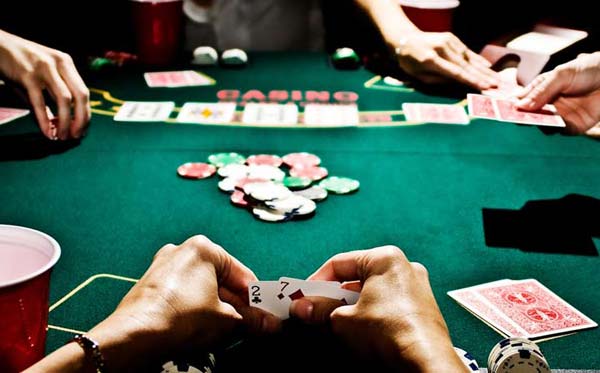
Today, gambling is a global industry characterized by rapid innovation and shifting consumer preferences. The growth of online casinos and mobile gaming apps has transformed traditional gambling practices, catering to a younger demographic that seeks convenience and variety. Companies are leveraging cutting-edge technology, including artificial intelligence and virtual reality, to create immersive experiences that engage players on new levels. This dynamic environment has fostered intense competition among gambling platforms, driving innovation and enhanced services.
Moreover, the regulatory landscape surrounding gambling continues to evolve. Countries are increasingly adopting frameworks that facilitate online betting while ensuring consumer protection and responsible gambling practices. This has led to a surge in licensed platforms that operate with transparency and integrity, providing players with peace of mind. Social initiatives aimed at promoting responsible gambling are also gaining traction, emphasizing the importance of safeguarding against addiction and promoting healthy gaming habits.
As gambling continues to adapt to modern trends, platforms like Methspin Casino Australia exemplify the industry’s commitment to offering secure and engaging gaming experiences. With a vast library of over 2,500 pokies and traditional games, as well as attractive bonuses, online casinos are reshaping the future of gambling, ensuring that players have diverse options while prioritizing their safety and satisfaction. The evolution of gambling reflects broader societal changes, illustrating an enduring fascination with risk and reward that transcends time and technology.
