

These costs are essential for a business to operate, but they don’t contribute directly to the creation of long-term assets. An expense is a cost of operations that a company incurs to generate revenue. Variable costs are the same cost per unit but the total cost depends on the quantity produced, used, or sold. Calculate the variable cost per unit by dividing the difference in cost by the difference in activity.
Administrative expenses
- Managerial accounting is all about providing financial and non-financial information to internal users—usually managers—so they can make better business decisions.
- Selling costs can vary somewhat with product sales levels, especially if sales commissions are a large part of this expenditure.
- Any of these companies may just use the term overhead rather than specifying it as manufacturing overhead, service overhead, or construction overhead.
- Since 2014, she has helped over one million students succeed in their accounting classes.
- Assume Big Drink pays $3,500 per month to rent a booth at the entertainment venue.
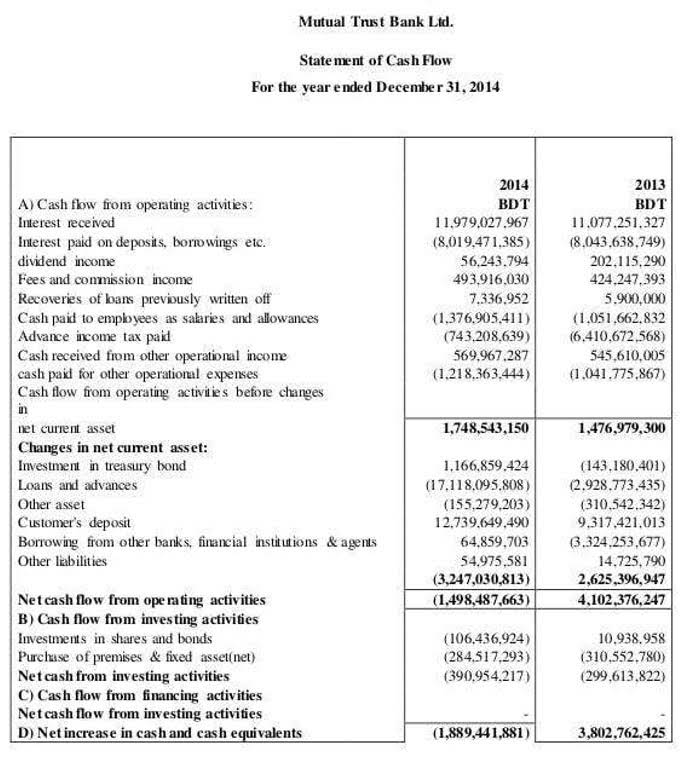
Other examples of period costs include salaries and benefits for administrative staff, insurance premiums, and software subscriptions. These costs remain constant over a specific period, regardless of production levels. On a traditional income statement, the organization’s expenses are presented based on product and period cost classifications. Cincy Chips manufactures microchips for small electronic devices. Classify the costs in Exhibit 1-1 as product costs or period costs. If the cost is a product cost, classify the cost as direct material (DM), direct labor (DL), or manufacturing overhead (OH).
Types of Companies in Managerial Accounting

What about the rest of the workers that were mentioned in our list above? To answer that question, you must consider if the cost of their labor is easy to trace to the product. If a janitor is working to clean up a plant that makes four different products, how can we trace his hourly wage back to each of the products?
Video Illustration 1-4: Traditional income statement explained
- FIFO separates current period expenses from those in the beginning inventory.
- Period costs are expenses that aren’t directly tied to production, and they’re incurred during an accounting period regardless of the volume of goods produced or sold.
- Variable costs – vary in total in proportion to changes in activity.
- The cost of 300 units would be transferred to cost of goods sold during the year 2022 which would appear on the income statement of 2022.
- Direct allocation provides a simple and transparent way to assign costs to cost objects, making it easier to trace expenses and calculate the true cost of producing goods or services.
- When goods are sold, the cost is transferred from “Finished Goods Inventory” in the balance sheet to “Cost of Sales” (or Cost of Goods Sold) in the income statement.
We need to first revisit the concept of the matching principle from financial accounting. Businesses incur various costs to operate and generate revenue. Understanding how these costs are classified and treated is fundamental to assessing a company’s financial health and performance.
Practice Video Problem 1-1: Product, period, fixed, and variable costs LOs 2, 3, 4
The charge based on kilowatt-hour is variable since it depends on usage. The total electric bill has both a fixed and variable component so it is considered a mixed cost. The cost per cup is always $1 per unit but the total https://irthirtyfive.cubixdesigns.com/amortization-in-accounting-101/ cost incurred depends on how many drinks are sold. For example, if they sell 100 drinks, the total costs are $1 times 100 equals $100. If they sell 500 drinks, the total costs are $1 times 500 equals $500.
This gym bookkeeping classification helps businesses evaluate departmental performance, control production costs, and budget expenses. Cost classification is the process of separating costs into different categories. The costs incurred by an organization can be classified in many different ways.
- Market research costs are incurred for market research, consumer surveys, focus groups, and competitive analysis to understand customer needs and preferences.
- Most companies use products as the main basis for their cost objects.
- ABC provides a more accurate understanding of cost behavior and cost drivers, enabling businesses to make more informed decisions about pricing, product mix, and process improvement.
- The company must also pay for office supplies, computers, and software that help run the business.
- Remember, the devil lies in the details, and thoughtful cost allocation can significantly impact financial decision-making.
- Also termed as period expenses, time costs, capacity costs, etc these are apportioned as expenses against the revenue for the given tenure.
- This guide focuses on what are period cost, providing a clear definition, relatable examples, and a breakdown of how these costs differ from product costs.
While the costs might seem high initially, they often save money in the long run by reducing other expenses. They know these expenses will come up every month or year, so they ensure enough money is saved. Good budgeting helps prevent cash flow problems and keeps period costs managerial accounting the business running smoothly. They look for expenses that have grown too large or services they no longer need.
